Hey, I'm Mehmet Fahri.
I care about the code — and the people who write it.
Where it started
I was about four years old when my dad brought home a Commodore 64. At home, I'd spend hours typing things on the screen, mesmerized by the idea that I could make a machine do something. At my dad's office, I'd play games on the PCs whenever I got the chance. I think that's where it all began — not with a specific moment, but with a growing obsession that never really went away.
Later, I got a Windows 95 machine. No internet — just the OS, a stack of books, and endless curiosity. The books I could find were mostly about Windows, MS-DOS, and Office programs — I wish there had been a programming book among them, that would have given me a serious head start. But I made do with what I had. I explored every corner of Windows, figured out what every setting did, and MS Paint became my graphic design studio.

I remember discovering PowerPoint and starting to build slides with buttons, animations, and links between pages — basically interactive experiences. I had no idea at the time, but I was building websites before I even knew what a website was. Single-visitor traffic, sure — but sometimes I'd copy them onto floppy disks and trade them with a friend, so maybe I had a small user base after all.
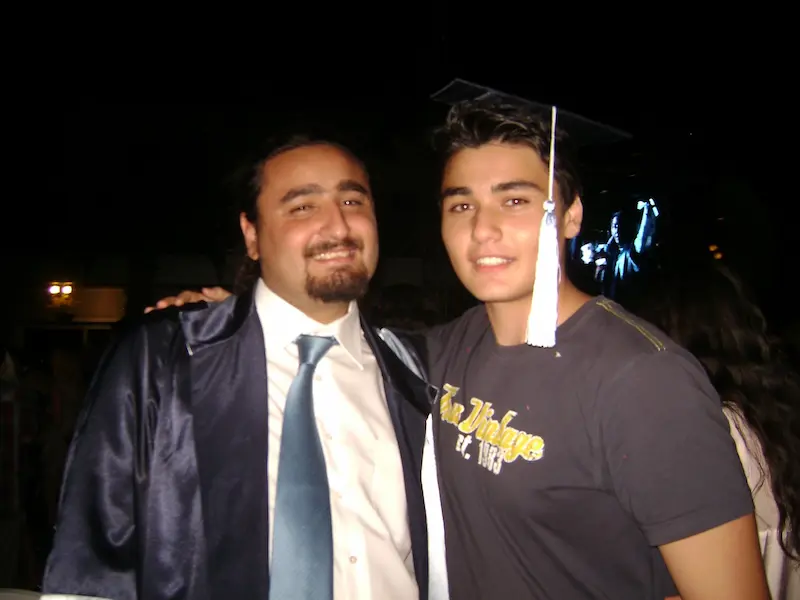
I studied Computer Engineering at Yaşar University in İzmir — the field I'd been dreaming about since those Commodore 64 days. Getting to study what I was already passionate about felt like everything was falling into place.
Those early days in the industry were something special. Walking into your first office, writing your first real production code, seeing something you built actually being used — there's nothing quite like it.
And now, with the AI revolution unfolding, that same excitement is back. It feels like being a beginner again — in the best possible way.
What I do
Over the years, I've worked across e-commerce, ad-tech, edtech, and productivity — architecting backend systems from scratch, scaling existing ones, and cleaning up what others left behind.
I care about building things that last: clean architecture, reliable infrastructure, and codebases that the next person or even us can actually understand.
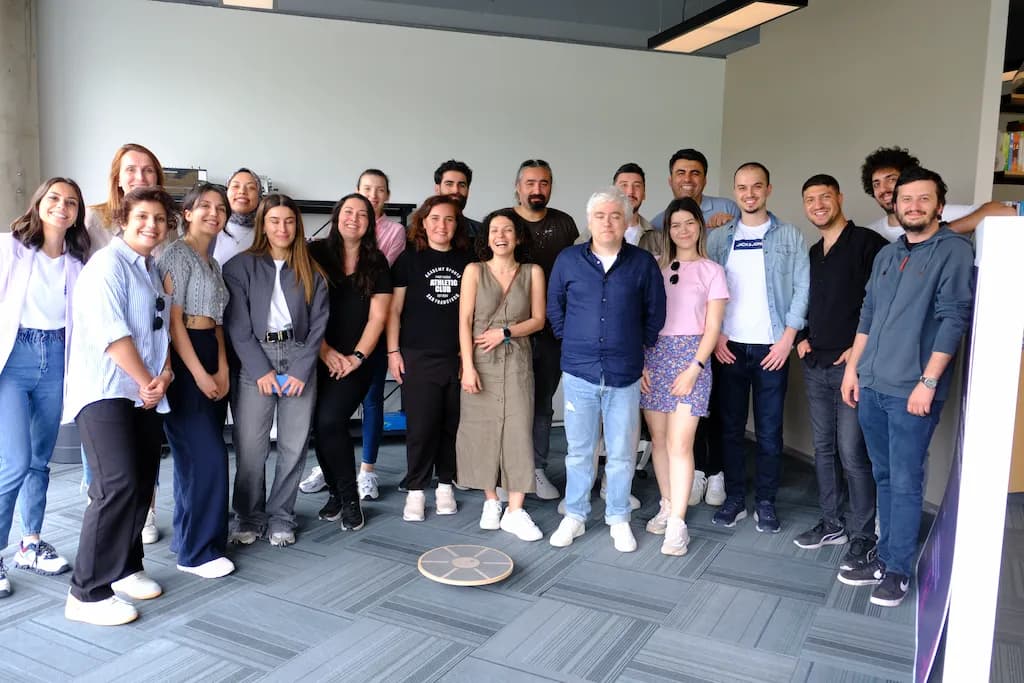
Systems are only half the story. I also build the teams that build them — hiring, mentoring, planning, and shipping together. And I've always believed the best engineers are the ones who share what they know — through code reviews, open source contributions, or stepping on a stage.
We're living through an AI revolution fueled by openly shared knowledge — open research, open source, open data. The engineers who build in the open aren't just growing themselves; they're shaping what comes next.
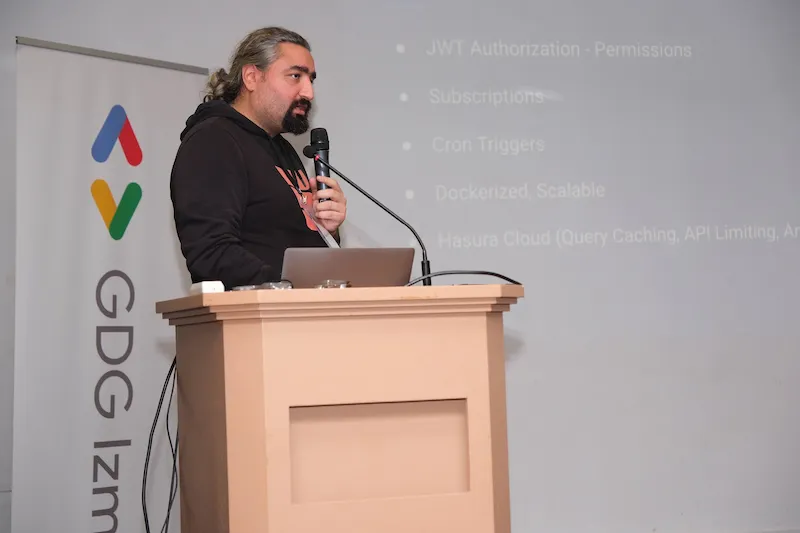
I've always believed the best way to grow is to share what you know. Whether it's mentoring someone on the team, leading a code review, or stepping on a stage — teaching forces you to truly understand what you're talking about.
At some point in my career, I realized that software isn't really built with tools, frameworks, or languages — it's built with people. Understanding developer psychology, knowing when someone is stuck, when they need space, when they need a push — that matters just as much as knowing the right architecture pattern. That's why I care about sharing knowledge and creating environments where people can do their best work.
When I'm not coding
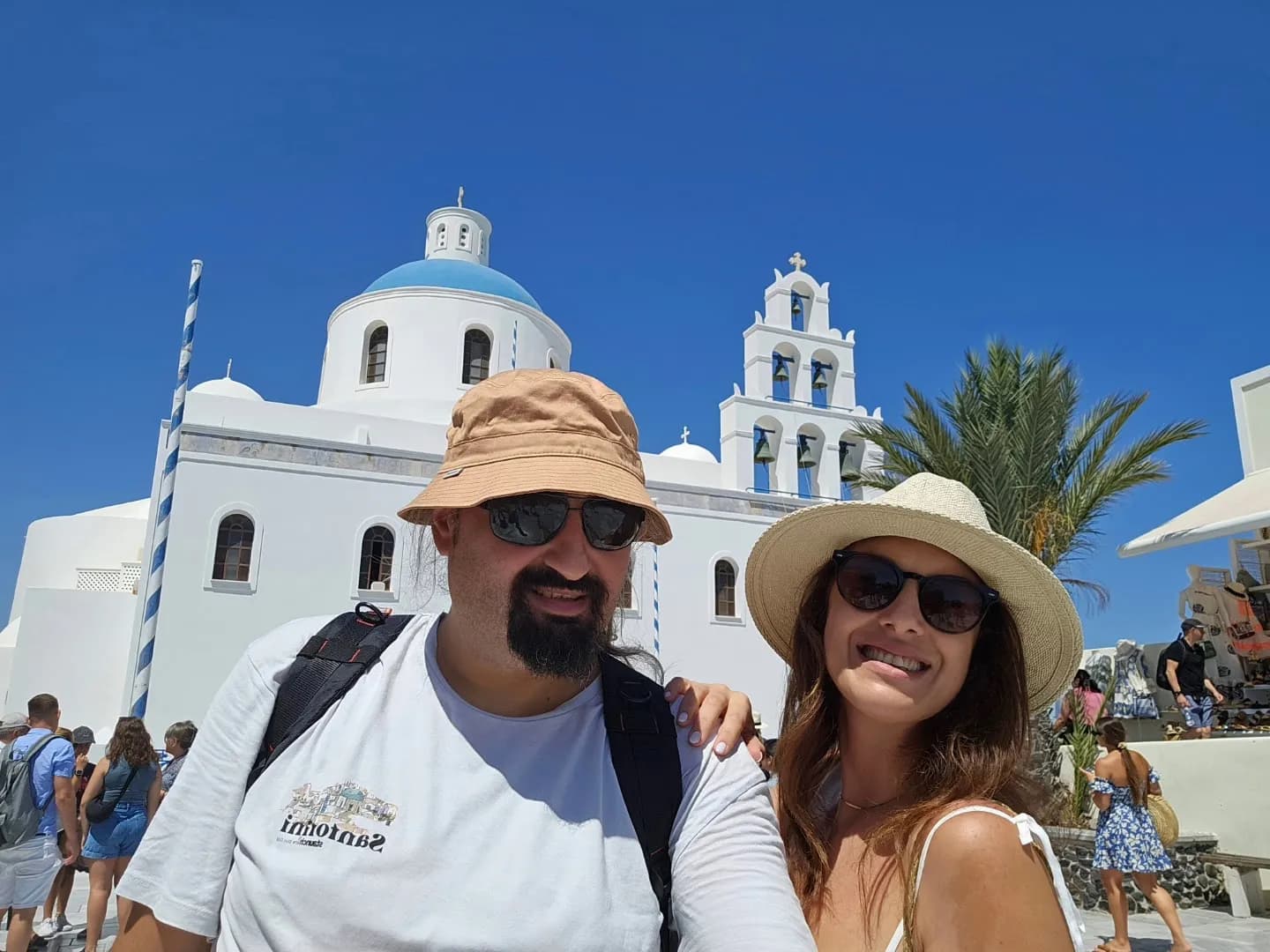
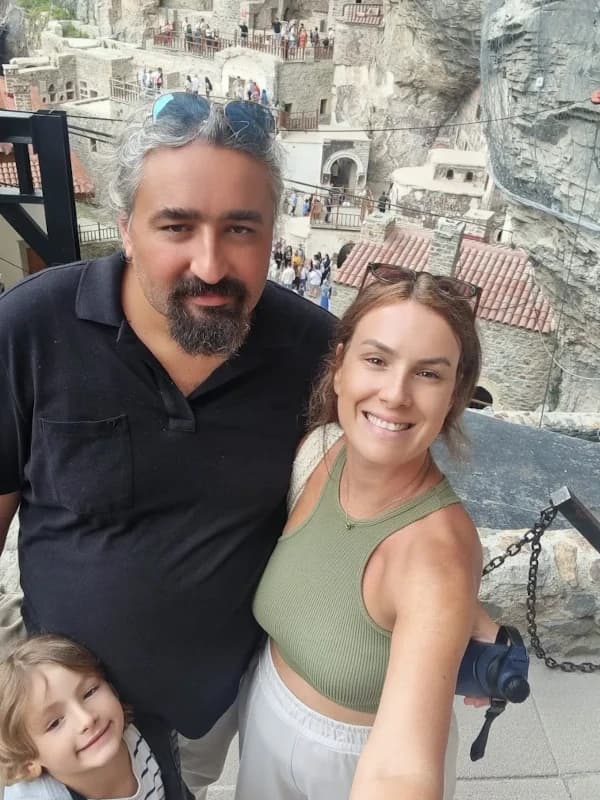
I love spending time with my family, traveling to new places, and discovering things together. There's a whole world out there full of incredible places, and experiencing them with the people you love is what it's really all about.
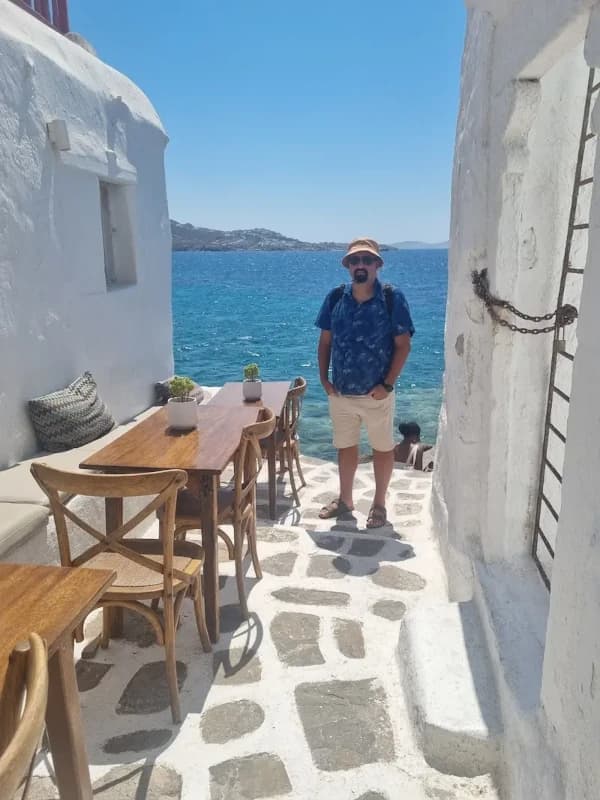
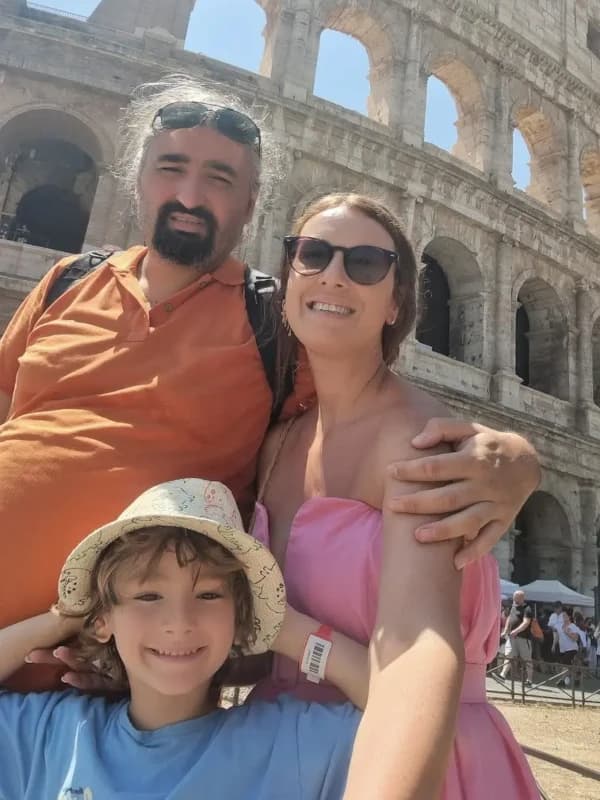
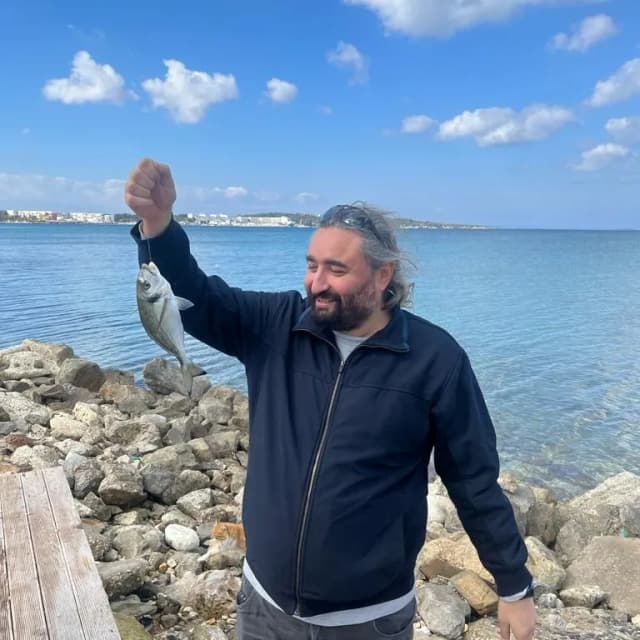
I also fish — it's one of the best ways I know to slow down and recharge. There's something meditative about being out on the water, waiting for a bite. No screens, no notifications, no deployments. Just patience, fresh air, and the occasional lucky catch.
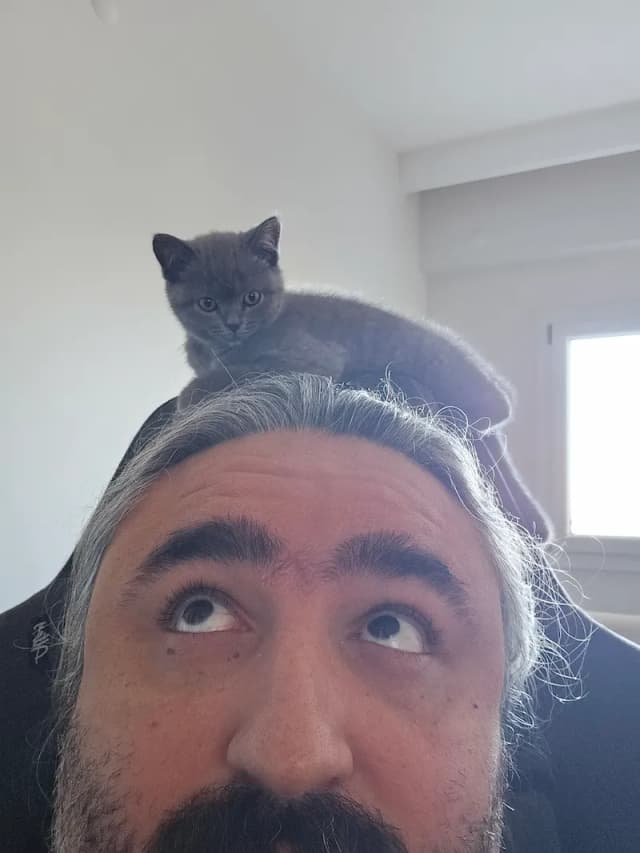
Every home office needs a good architect. Mine comes with fur, zero respect for personal space, and a habit of attending every video call uninvited. Honestly, the best coworker I've ever had.